




Tinnitus Matching
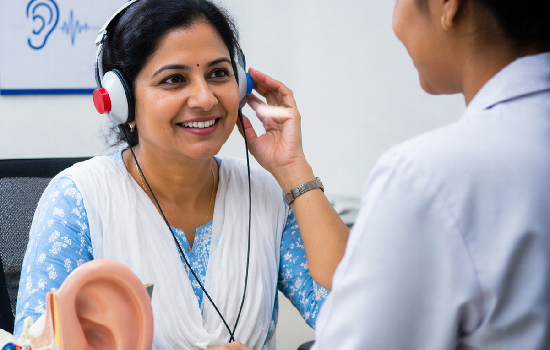
Tinnitus Matching Test
The Tinnitus Matching Test is a specialized audiology assessment used to identify the pitch, loudness, and sound characteristics of tinnitus (ringing, buzzing, humming, or whistling sound in the ears). Since tinnitus is a subjective sound heard only by the patient, this test helps the audiologist match the exact sound frequency and intensity to better understand the condition and create a personalized treatment plan. It is a key part of tinnitus evaluation and sound therapy planning.
At our audiology and hearing care center, the tinnitus matching test is performed using advanced audiometric equipment by experienced audiologists. The procedure helps assess high-pitched ringing, low humming sounds, unilateral tinnitus, bilateral tinnitus, and masking levels, which are essential for accurate diagnosis and long-term tinnitus management.
How the Tinnitus Matching Test Works
During the procedure, the audiologist plays different tones or narrow-band sounds through headphones. You will be asked to compare these sounds with the tinnitus you hear and identify:
- Pitch Match – the sound frequency closest to your tinnitus
- Loudness Match – how loud the tinnitus feels
- Masking Level – the level of external sound needed to cover the tinnitus
The test is safe, painless, non-invasive, and usually completed in 20–30 minutes. The results help create customized tinnitus retraining therapy, hearing aid masking programs, or sound therapy solutions.
Benefits of Tinnitus Matching Test
- Identifies tinnitus frequency accurately
- Measures tinnitus loudness
- Helps in sound therapy planning
- Useful for tinnitus retraining therapy
- Tracks treatment improvement over time
- Safe and painless test
- Supports hearing aid programming
FAQ – Tinnitus Matching Test
It is a hearing assessment that matches the pitch and loudness of the tinnitus sound you hear in your ears.
No, the test is completely safe, painless, and non-invasive.
The tinnitus matching test usually takes 20 to 30 minutes.
It helps specialists create personalized sound therapy, masking treatment, and tinnitus management plans.
Yes, it is highly useful for tinnitus retraining therapy (TRT), sound masking, and hearing aid programming.